Preventing Slips and Falls: Cleaning Algae Off Walkways
Algae can turn a Bondi walkway into a slippery surface, particularly after rain or in shaded areas that stay damp. Coastal humidity, irrigation overspray and poor drainage encourage growth on concrete, pavers and natural stone. Removing algae and addressing the moisture that supports it helps reduce slip risks around homes, apartment buildings and commercial premises.
How to Recognise an Algae Problem
Look for green or brown films, discoloured patches and slimy deposits along paths, steps and entrances. Algae often develops beside garden beds, beneath vegetation and near leaking taps or downpipes. However, discolouration can also come from mould, moss or other surface growth, so appearance alone does not always identify the cause.
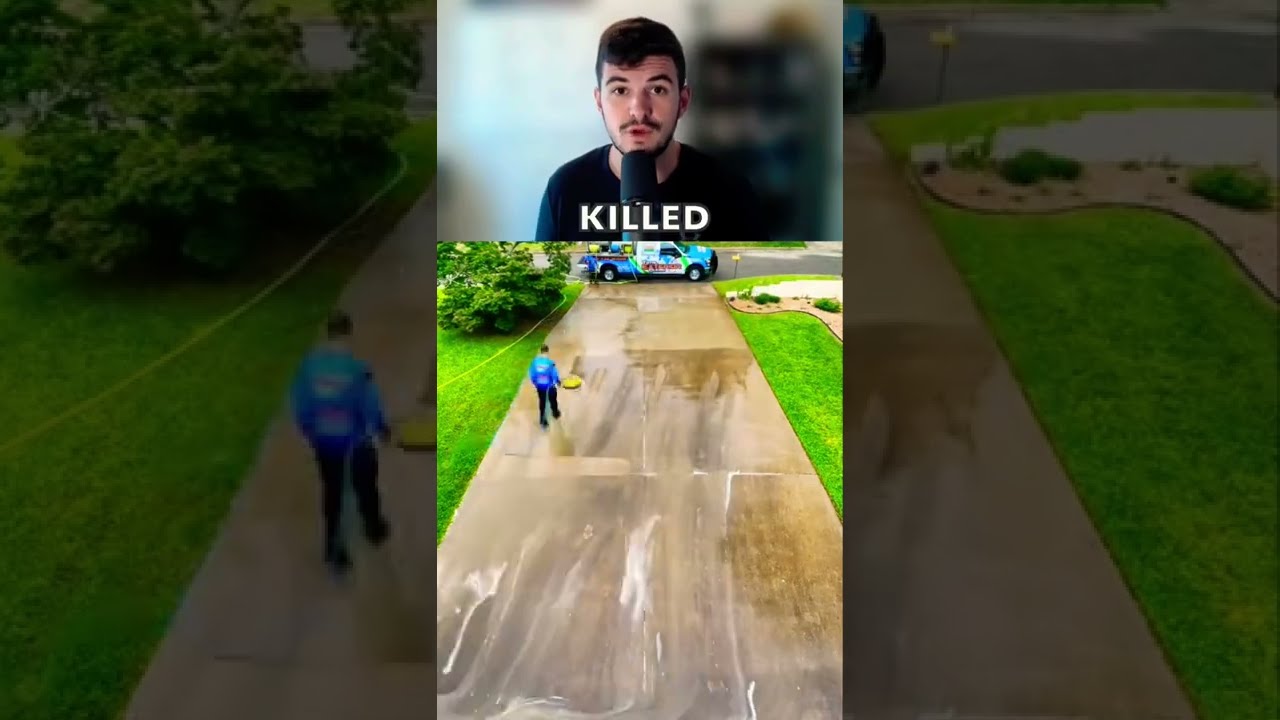
Do not test a suspect surface by deliberately sliding your foot across it. Restrict access where practical and provide an alternative route until cleaning is complete and the walkway is safe to use.

How to Clean Algae Off Walkways Safely
- Prepare the area. Keep pedestrians and pets away, remove furniture and sweep up leaves, sand and loose debris. Wear slip-resistant footwear and any protective equipment specified on the cleaning product label.
- Check the surface. Identify whether the walkway is concrete, clay paving, natural stone or a coated material. Follow the surface manufacturer's care instructions and test any cleaning method on an inconspicuous patch.
- Apply a suitable cleaner. Choose a product labelled for algae removal and compatible with the surface. Follow its dilution, application and contact-time directions. Never mix cleaning chemicals, especially bleach with acids or ammonia.
- Agitate gently. Use a stiff, non-metallic brush where suitable to loosen the growth. Avoid aggressive scrubbing on soft stone, damaged surfaces or fragile coatings.
- Remove residue and manage wastewater. Follow the product's rinsing instructions and collect washwater where needed. Keep chemicals, algae debris and contaminated water out of street gutters and stormwater drains.
- Inspect before reopening. Check for remaining slime, pooled water and cleaning residue. Keep access restricted until the surface is clean and safe for normal use.
Is Pressure Washing Suitable?
Pressure washing can remove algae from suitable hard surfaces, but excessive pressure can etch concrete, damage coatings and dislodge paving joint material. The appropriate equipment and settings depend on the surface and its condition. More pressure is not necessarily more effective or safer. Delicate stone, loose pavers and deteriorated surfaces warrant professional assessment.

Preventing Algae From Returning
- Clear leaves and organic debris before they trap moisture against the walkway.
- Redirect irrigation so sprinklers water plants rather than paths.
- Repair leaking taps and downpipes, and keep drainage channels clear.
- Trim vegetation where appropriate to improve airflow and sunlight.
- Inspect shaded paths and steps after prolonged wet weather, rather than relying only on a fixed cleaning schedule.
If water repeatedly pools, cleaning alone will not solve the problem. A drainage or paving specialist may need to assess blocked outlets, uneven paving or inadequate falls.
When to Use a Bondi Walkway Cleaning Service
Professional cleaning is worth considering for steep paths, shared apartment entrances, extensive algae growth or surfaces requiring specialist care. Ask a Bondi walkway cleaning provider how they protect paving, manage pedestrian access and https://penzu.com/p/72854bb23386a7c5 contain wastewater, especially near drains that discharge towards local waterways.
For strata and commercial properties, coordinate cleaning with the property manager and document inspections and maintenance. Regular attention to both surface growth and moisture sources provides a more reliable approach to slip prevention than occasional intensive cleaning alone.
Bondi Pressure Cleaning
(02) 8550 5711