How to Keep Pressure Cleaning Runoff Out of Stormwater
Pressure cleaning removes grime from driveways, paths and outdoor areas, but that dirt does not disappear. Wash water can carry sediment, oil, detergents and paint particles into street gutters. In Bondi, keeping this runoff out of stormwater helps protect local waterways and coastal water quality.

The key is to contain, collect and properly dispose of wash water rather than letting it flow towards the nearest drain.
Understand Where Your Runoff Goes
Stormwater drains generally carry rainwater to waterways without sewage treatment. Even pressure cleaning with plain water can cause pollution when it lifts contaminants from a surface.

In NSW, polluting waters, including through stormwater drains, can breach the Protection of the Environment Operations Act 1997. Before starting a job in Bondi, check any relevant Waverley Council requirements and confirm an appropriate wastewater disposal method.
Prepare the Area Before Cleaning
- Check the slope: Identify where water will travel, including towards footpaths, neighbouring properties and street gutters.
- Remove dry material: Sweep up leaves, soil, litter and loose debris. Absorb oil spills with a suitable absorbent and dispose of the material appropriately.
- Choose dry weather: Avoid cleaning when rain could overwhelm your containment measures or wash collected pollutants away.
- Set up containment: Use purpose-made drain covers, temporary bunds or portable berms to keep wash water within a controlled area.
- Have recovery equipment ready: Position a wet vacuum or wastewater recovery system before switching on the pressure cleaner.
Capture Wash Water While You Work
Clean small sections at a time and direct water towards your collection point, away from drains. Use the lowest effective pressure and water flow for the surface. This reduces wastewater volume and helps prevent damage to paving, grout and coatings.
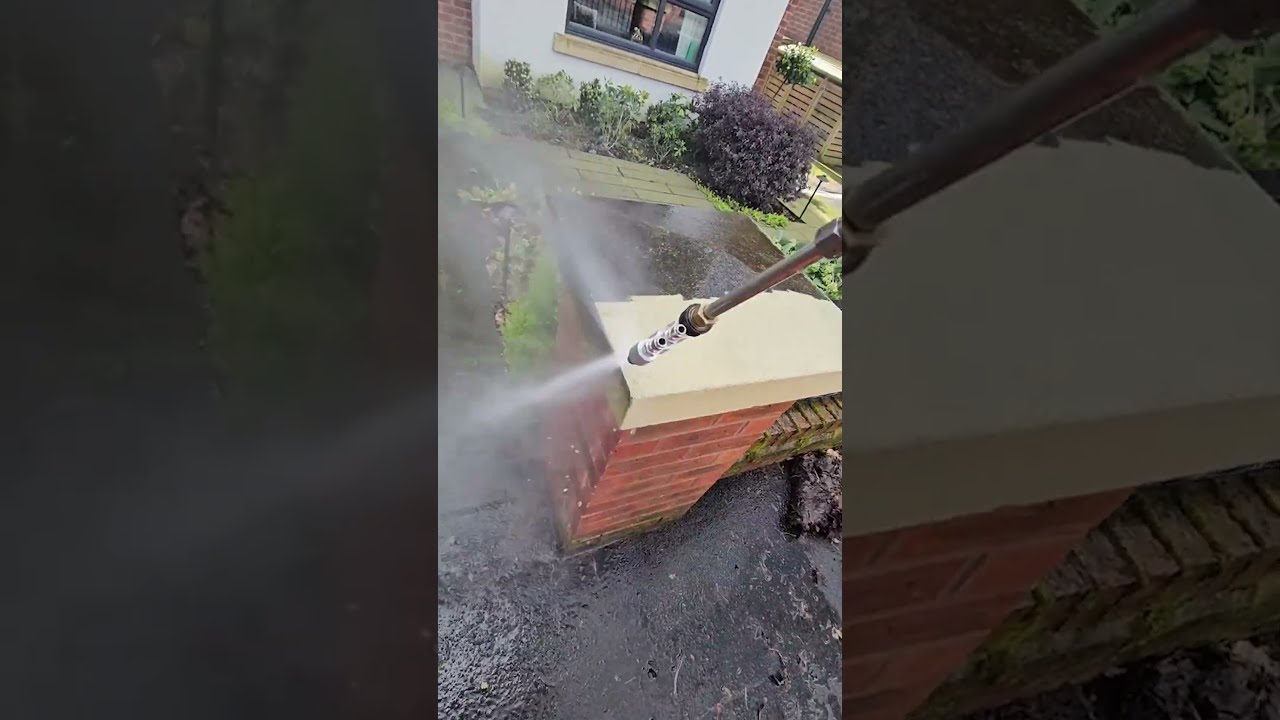
Check barriers regularly for leaks. A drain cover alone is not a complete solution: water can pool, overflow or escape around its edges. Pair containment with active collection, and stop cleaning if runoff cannot be controlled safely.
“Biodegradable” does not mean drain-safe. Detergents and the contaminants they lift must still be kept out of stormwater.
Dispose of Collected Wastewater Correctly
Do not empty recovered wash water into a gutter, stormwater pit or street drain. Do not assume it can go into a toilet or sewer connection either. Commercial wastewater discharge may require Sydney Water approval and must meet applicable trade wastewater conditions.
For water containing oil, chemicals, paint residue or other contaminants, seek advice from an appropriately licensed waste contractor. Soil or garden disposal is not a blanket alternative: it may cause contamination, damage plants or allow polluted water to run off https://holdenarov815.inkharbory.com/posts/how-long-should-concrete-dry-before-sealing-after-washing the property.
Choose a Bondi Pressure Cleaning Service With Runoff Controls
Before booking, ask how the contractor identifies drains, contains runoff, recovers wastewater and arranges lawful disposal. If old paint or suspected asbestos-containing material is present, get specialist advice before pressure cleaning. A responsible service plans pollution prevention before work begins, protecting both your property and Bondi’s coastal environment.
Bondi Pressure Cleaning
(02) 8550 5711